Oktoberfest

welcome

Volksfeast

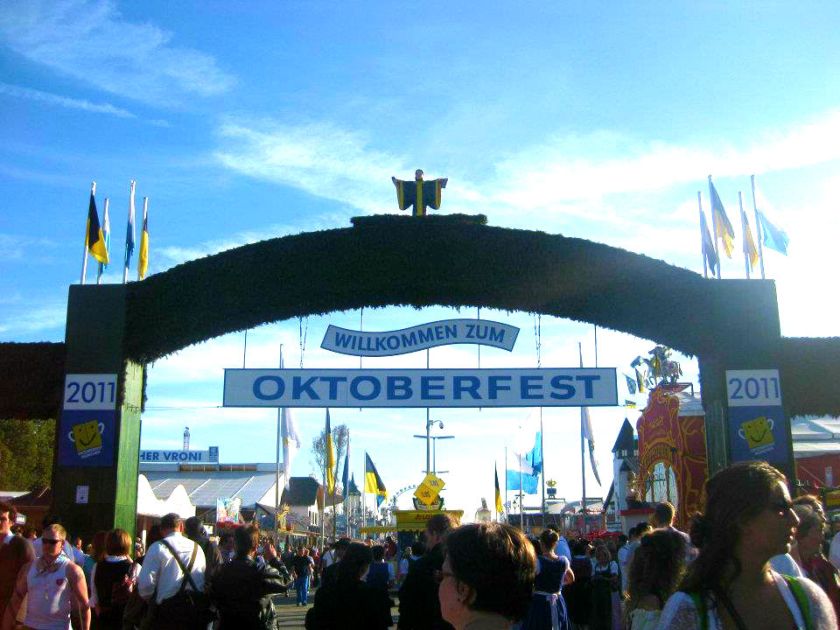
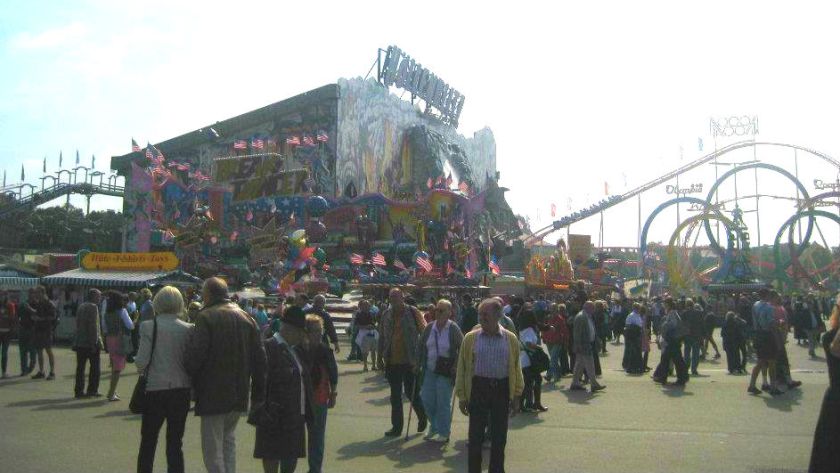
This sixteen day festival is the world’s largest Volksfeast – a beer festival and traveling fun fair. The festival is located in the city of  Munich, in the state of Bavaria, Germany.

History of oktoberfest

The origins of this festival goes back to 1810! When the then, Prince Ludwig married Princess Therese of Saxony- Hildurghausen. The people of Munich were invited to celebrate the festivities in the fields in front the city gates. The festival occurred the next year and has continued on ever since! This year will mark the 185th year of the festival, very impressive. Today, oktoberfest is the largest festival in the world, bringing in an average of six million visitors each year, from all over the world.

beerfestivalcrowd

Celebrating Oktoberfest

I had always wanted to visit the famous oktoberfest, and we were able to go..by accident! We had found cheap flights to Munich and just brought them without realizing that the festival would be occurring at this time! Our cheap tickets to Munich allowed us to enjoy the vibrant and spectacular festival. We were based in the city center of Munich and attended the festival on most of the days of our trip, in amongst exploring the sights and beauty of Munich.

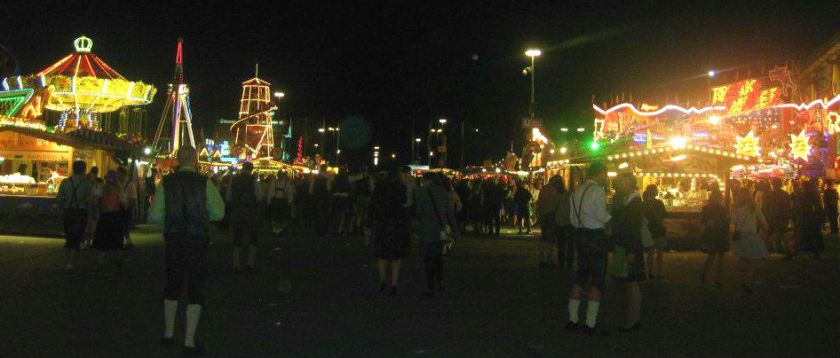
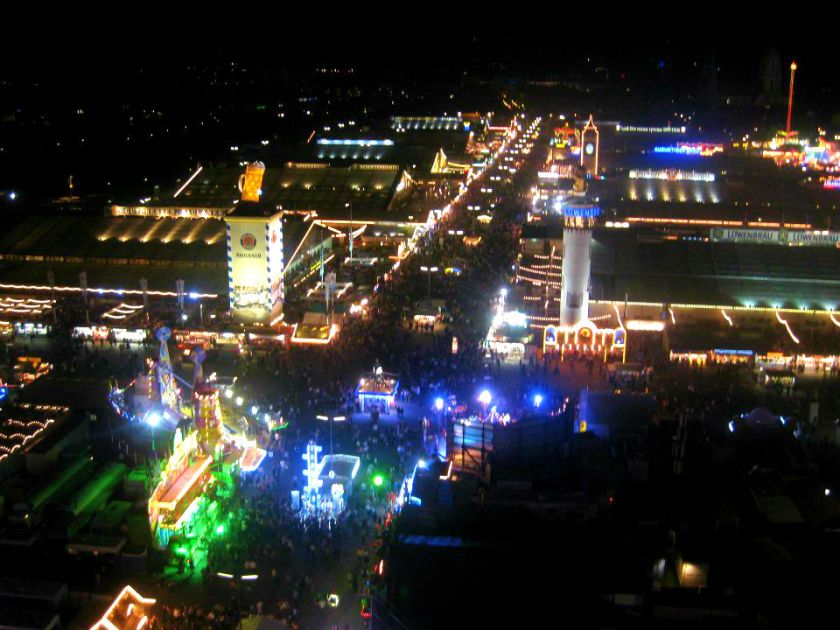
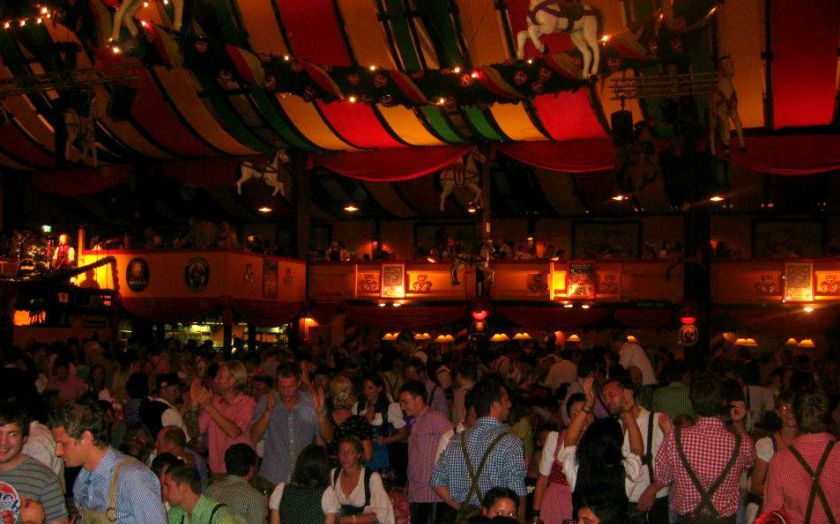
after-partycafeice-cream-maninsidenight-viewpartycrowds

Malmo and Lund

building-view

Sweden

Malmo

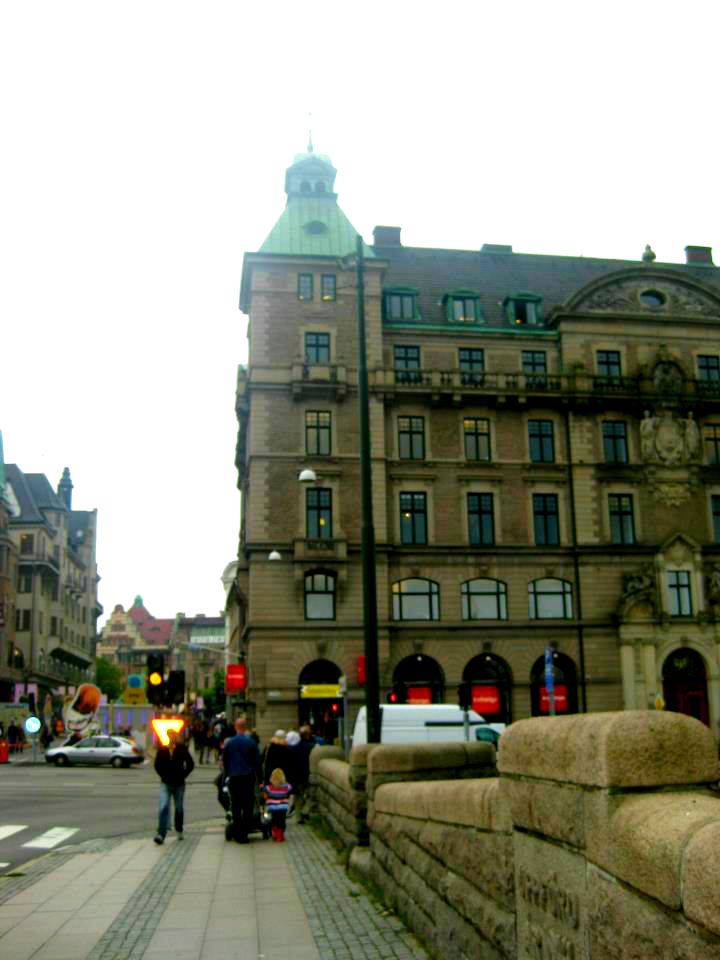
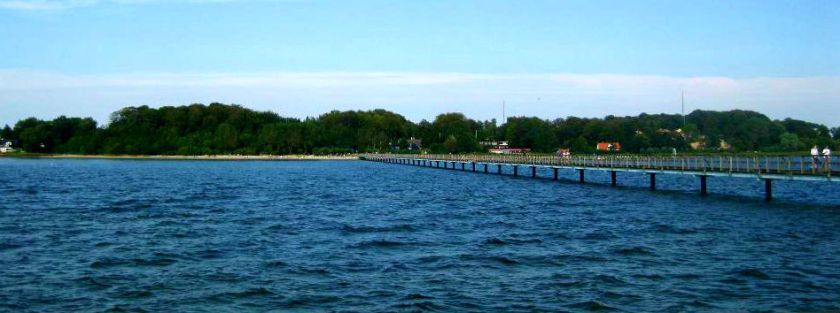
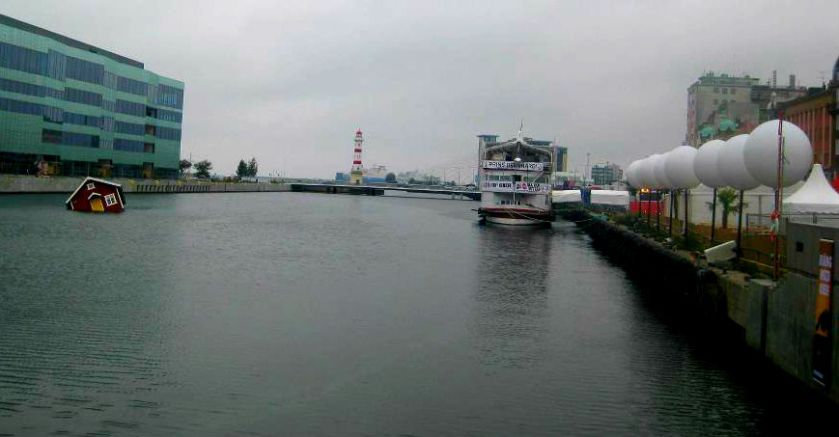
Malmo is the third largest city in Sweden and the capital and largest city of the Swedish county of Scania. Malmo is located near the southwestern tip of Sweden, and is connected to Copenhagen, Denmark by the Oresund bridge. This small and vibrant city, is rich in history, culture and art and with its friendly people, pretty sights and sandy beaches, Malmo is a great city to explore.

Lund

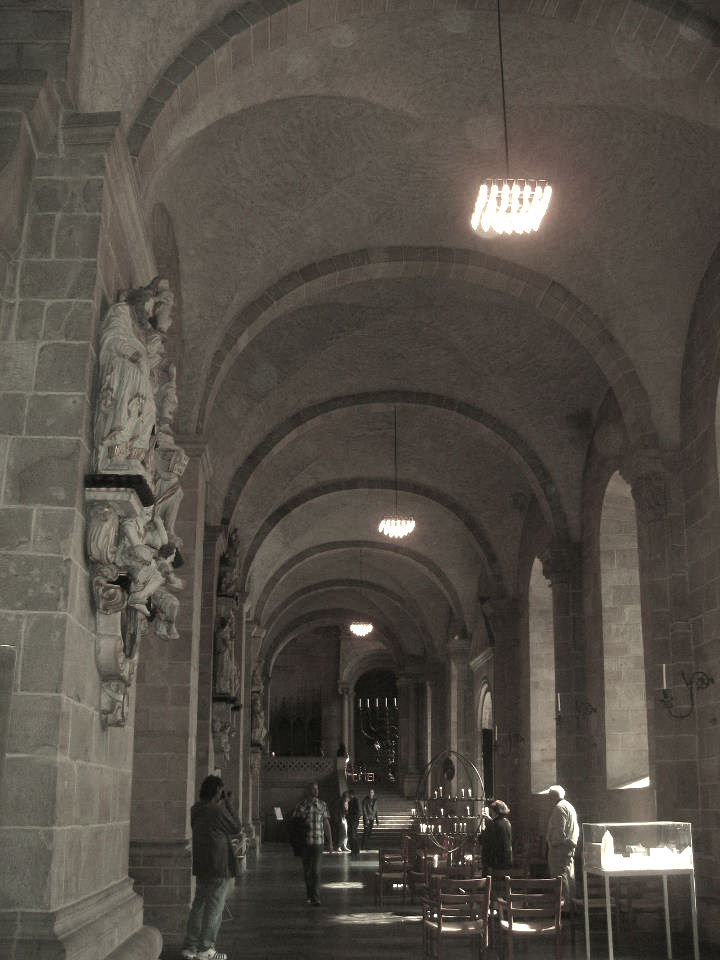
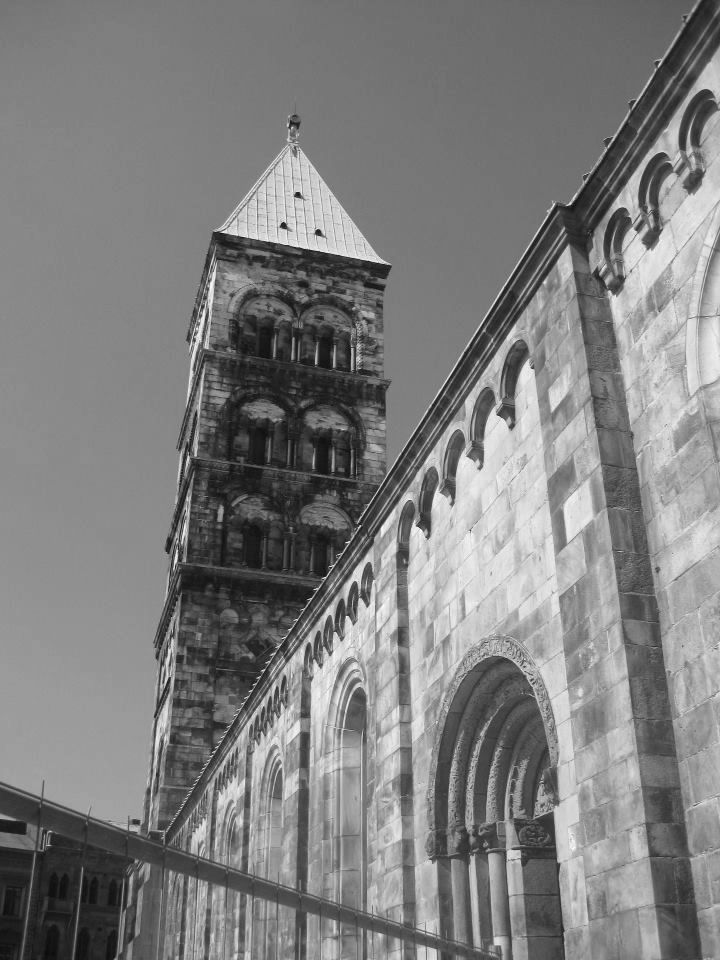
Located in the southern tip of Sweden in the Skane province. Lund is the second oldest city in Sweden! The city was founded in AD 990 and still maintains its medieval charm and low key vibes. Lund holds great traditions within education, the Lund university was established in 1660, and today it is one of the largest institutions for education and research in Scandinavia. It is no surprise that the university and its buildings dominate much of the city.

cool-buildingbikesbuildings

Southern Sweden

We have a friend who lives in Lund (who we had met in Townsville, Australia) who had invited us to stay with him. So from Copenhagen, Denmark we took the train across the Oresund bridge for 40 minutes until we reached Malmo. We arrived early and spent the day exploring the picturesque city before our friend picked us up and took us to his home in Lund.

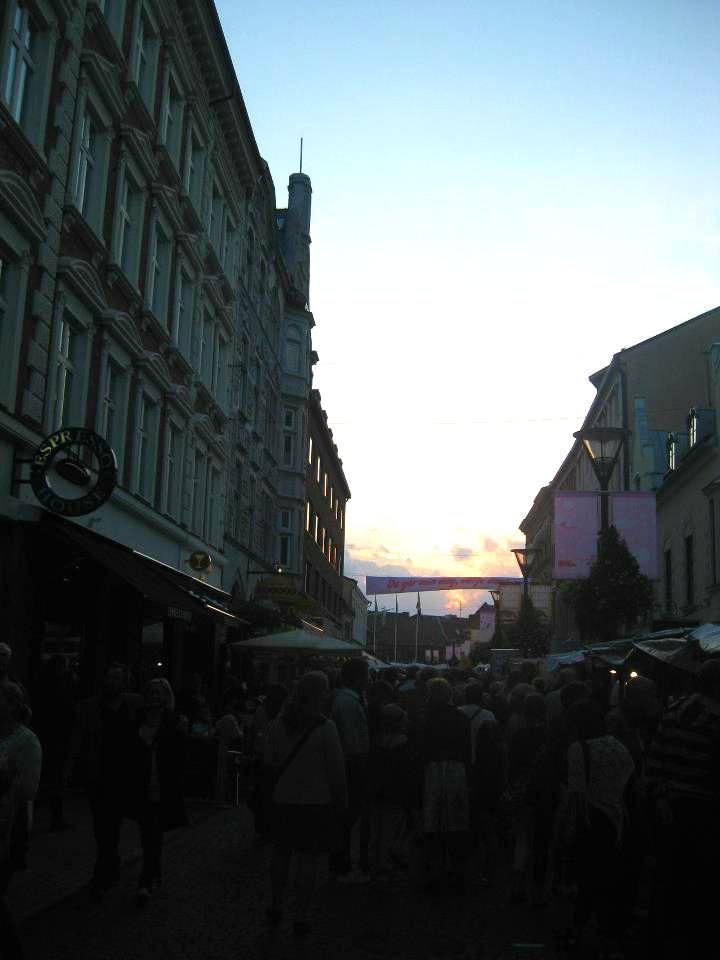
We spent four days exploring Malmo and Lund, our friend was a great host and tour guide, who not only showed us the highlights but also took us to some hidden gems, and show us around the local night life scene. The weather was also so beautiful, sunny and mild. It also just happened to be the time of year that the Malmo festival was on, so we were able to experience and enjoy this annual festival.

castlechurchcute-street

Highlights and must sees

  • Oresund bridge: The bridge connecting Denmark to Sweden.
  • Turning torso: Impressive architecture, a twisted and sculptured tower block.
  • Malmo castle: A 16th century castle which was built by the Danish.
  • Kungsparken: A pretty park to wander around, and also the oldest park in the city
  • Science and Maritime museum: 
  • The Stortorget: Malmo’s city center square. This square was built in 1536! And surrounds the old town.
  • Lund University and the historical museum: Visit the impressive buildings and explore the rich history.
  • Botaniska tradgarden: The beautiful botanical garden in Lund.
  • Lomma: The nearest beach to Lund

duskinsideisland

Our time in Malmo and Lund was so enjoyable, and I think it was made even better as we had someone to show us around! I would love to return to Sweden, the next hopefully to visit the North!

Next stop, Munich, Germany, to experience the famous Oktoberfest

ivyold-buildingpierstreet-viewtrainwater-front

Copenhagen

street-view

Kobenhavn

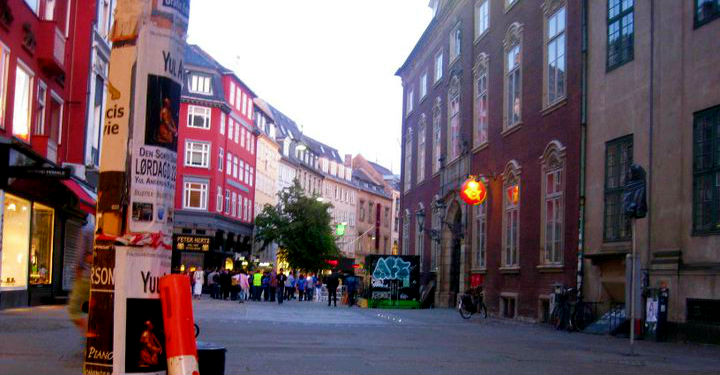
Charming waterfront, colorful buildings, stunning decor and a cosmopolitian atmosphere, Copenhagen (Kobenhavn in Danish) is a great introduction to Denmark and an insight into Scandinavia.

Copenhagen is located on the eastern coast of the island Zealand, and a smaller section of the city is located on Amager. Copenhagen is the capital city of Denmark, and also the cultural and geographic link between Scandinavia and mainland Europe. The city was founded in the 10th century and was once a small viking fishing village. Now the city represents a strong  urban and cultural modern city. Copenhagen has the buzz of a city and is still small enough to give you an intimate atmosphere. You can easily explore the city by foot or bicycle.

sunsetmarkets

A weekend in Denmark

As were based in the UK we were always on the lookout for cheap deals to travel more of Europe. We found a cheap flight (around $15 usd) to Copenhagen. So we jumped at the chance to visit the capital of Denmark.

The flight was only two hours from London. We arrived around 6pm and checked into our hostel. Generator hostel is located in the city center, just steps away from the Kongen’s Nytrov square. This hostel was so comfortable and the decor was gorgeous, the on site bar made is easier to meet other travelers. This was a standout backpackers hostel from all of my travels. We had two full days and a half day to explore this beautiful city.


parkgreen-water

Highlights and must sees

  • Nyhavn: A beautiful neighborhood to walk around. Colorful buildings line the canal of this 17th century waterfront. A great place for a meal and drinks, with many options for bars, cafes and restaurants.
  • Frederiksberg Palace: A pretty palace that is located on Frederiksberg hill and overlooks the stunning Frederiksberg garden.
  • The Little Mermaid: A statue of the little mermaid is located on the Langelinje pier. The statue is over 100 years old!
  • Kronborg castle: A beautiful 16th century castle.
  • Amalienborg palace: The home of the Danish royal family.
  • Stroget: One of Europes longest pedestrian streets and the largest shopping district in Copenhagen.
  • The national museum: A look into Danish history, from the stone age, viking age, middle age to modern day Denmark.
  • Glyptoteket: A beautiful art museum.
  • Botanical garden: Walk around the gorgeous gardens located in the city center.

CopenhagenCopenhagen water frontDenmarkMe in copenhagen

From seeing the major sights of the city, wandering the streets and experiencing the Danish nightlife, our time in Copenhagen was well spent and very enjoyable. I would love to visit Denmark again to explore more of the country.

Our next stop is Malmo, Sweden, only a 40 minute train ride away!


sunsettivoli

Kuala Lumpur

Muddy confluence

Kuala Lumpur, also referred to as KL by the locals is the capital and largest city of Malaysia. Located close to the center of peninsular Malaysia in the Selangor state. The name Kuala Lumpur translates to “muddy confluence” and the city is called this, as it is located at the confluence of the Klang and Gombak rivers!

Kuala Lumpur was once a small Chinese village, with the locals working within the tin mining industry. The city has come a long way from this once sleepy village.  The city is described as being the cultural hub of Malaysia. Kuala Lumpur is a cultural melting point, the mix of Malay, Chinese and Indian communities brings this city to life.  The city is vibrant and full of energy. From modern skyscrapers to ancient temples, the mix of old and new is impressive. From the sights in and around the city, the modern shopping options and dinning experiences. Kuala Lumper is a great city to explore for short stays or even for a stopover.

KLstreetviewKL

Five days in KL

We had just spent two and a half weeks exploring parts of Thailand; PhuketPhi Phi Island and Bangkok and we had the chance to explore a new country before flying to London for the beginning of an eight month work and travel experience in Europe.

We stayed at a guest house in the Bukit Bintang district, the ‘trendy’ area of the city. The Bukit Bintang area is well known for its shopping and entertainment. From fancy shopping centers/malls to night markets. The nightlife is also happening here, with many cafes, restaurants and bar options. Popular among the local youth and tourists, this is probably the best area to stay in for a first time visit to Kuala Lumpur.

Five days was enough time to explore the city and see most of the sights, we were also able to enjoy two day trips from the city.

KLdrinks

KLtowers

Highlights and must sees

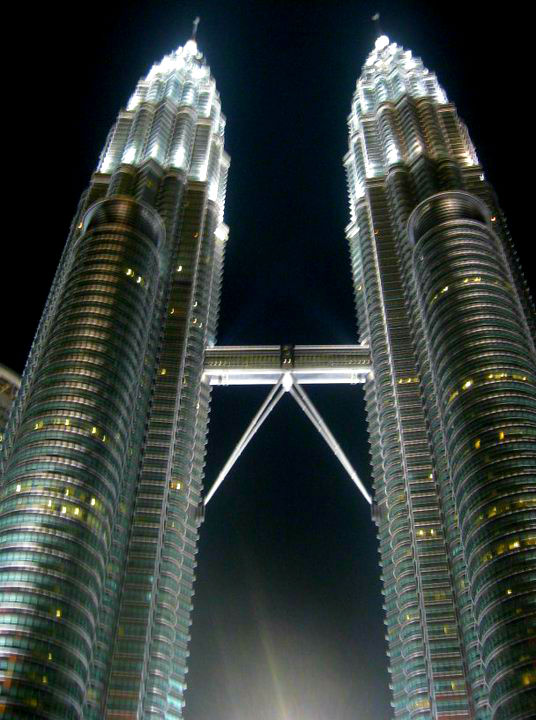
The Petronas towers

The most famous landmark in Kuala Lumpur. These towers are very impressive, both from the ground and from the top! Standing at 451.9 meters tall and with 88 stories. These towers were once the tallest buildings in the world, from 1998 to 2004. They still remain the tallest twin towers in the world.

Kuala Lumpur bird park

A great way to escape the heat and humidity of the city is by exploring  this eco tourism park! The worlds largest free flight walk in aviary, I was very impressed.

Perdana botanical garden

A nature sanctuary in the city, another option to try and escape the heat! This makes for the perfect early morning or late afternoon walk.

Kuala Lumpur butterfly garden

This park is so impressive, walking around lush gardens in amongst 6,000 butterflies! Show casing 120 species.

Sultan Abdul Samad Building

Impressive architecture and represents a historical landmark of the city.

Menara KL tower

Another well known landmark of the city. Sitting at 421 meters tall, this tower offers impressive views of the city.

Chinatown

Vibrant and filled with energy. The perfect place for bargain hunt shopping and to enjoy the nightlife.

Jalan Alor

A strip representing the city’s local cuisine. The perfect place to explore the various food options.

KL2KL1shopping-center

KLgardens

butterflyrainforest

Day trips from Kuala Lumpur

Batu caves

A limestone hill over 400 millions year old, containing three caves and a series of cave temples. Batu caves is a place for hindu festivals and pilgrimages. This place is well worth a visit. We took a train from the Kuala Lumpur central station and travelled for approximately  17 km, north of the city to the Batu caves train terminal. A very easy and affordable (50 us cents)  journey.

When you  arrive, the first sight is the impressive statue of the Hindu God. After climbing the steep staircase you can enter the caves and explore. The limestone formations are impressive and I also enjoyed watching the cheeky monkeys.

Kanching rainforest waterfalls

A refreshing break from the heat of KL, we took a local bus from the Kuala Lumpur central market bus terminal to the Kanching rainforest waterfalls. The falls are located inside a forest reserve. It was nice to walk through this park, and a great hiking experience  to see the waterfalls. A couple of the waterfalls had a pool large enough to swim in. Many monkeys occupy the area, I know that they are a nuisance for some people, they are not for me. I was disappointed to see the amount of rubbish people left in this beautiful place. Remember, if you’re traveling, don’t leave your mark and take only memories.

I enjoyed my time exploring the city of Kuala Lumpur and the nearby areas. Hopefully one day I can return and explore more of Malaysia!

batu-caves

KLmemonkeyroadwater

KL5KLmonkeyyKLwaterfallplacw

Mekong Delta

IMG_6569

Nine dragon river delta

The Mekong delta is located in southern Vietnam, a four hour drive (196.5km / 121 miles) south of Saigon. The area covers 40,500 square kilometers (15,600 square miles) of southwestern Vietnam. Incredible. Extending south and west from Saigon / Ho Chi Minh City to the gulf of Thailand and also to the border of Cambodia. The Mekong delta is a low laying plain, only three meters above sea level, and contains a maze of canals and rivers.

The Mekong delta is described as the food bowl of Vietnam. The agricultural importance is huge. The delta is able to produce more than a third of the countrys’ annual food crop! As, approximately 10,000 square kilometers of the Mekong delta is under rice cultivation. In addition to rice, the ecological diversity found here can also produce other crops/food. Not only does the Mekong delta provide food to the people of Vietnam, this area is also one of major rice-growing regions of the world.

The biodiversity found here is incredible,  from rice paddies, dense jungle to mangrove swamps. Home to not only  people, but over 1,000 animals species can be found here and not to mention the rich plant life. With such rich diversity, the Mekong delta is also under threat from climate change and over exploitation. Environmental protection is required to protect this amazing region and its inhabitants.

img_6647.jpg

lilypads

Two day, one night tour

As we were based in Ho Chi Minh City we decided to take a tour to visit the ecologically impressive Mekong Delta. The Mekong river is one of the most impressive rivers in the world. The Mekong river is the 12th largest river in the World, the 7th largest in Asia and the largest river in southeast Asia. The river flows from the Tibetan Plateau to the southeast through Laos, Thailand, Cambodia and Vietnam, finally flowing out to the south China sea.

Day one

We departed Ho Chin Minh City by mini van and drove for two and hours, arriving at My Tho, the gateway to the Mekong delta. Our guide was very informative, telling us about the local region. At My Tho we boarded a  boat to take a cruise around the Mekong delta. We stopped at an island, where we departed the boat to walk around the lush gardens and sample some of the local fruit, so delicious and refreshing. Next stop, a local coconut candy factory, here we tried samples and learnt about the local industries from the people who lived in the nearby villages.

After lunch from a local restaurant, we transferred into small rowboats, and rowed through narrow canals of the delta. This was an incredible and surreal experience. After this, we transferred back onto the bigger wooden boat and sailed to My Tho, here we continued on to Can Tho by mini van. In Can Tho we stayed at a hotel for the night. Can Tho is a city based on the southern bank of the Hau River, we had time to explore the city before and after dinner.

Day two

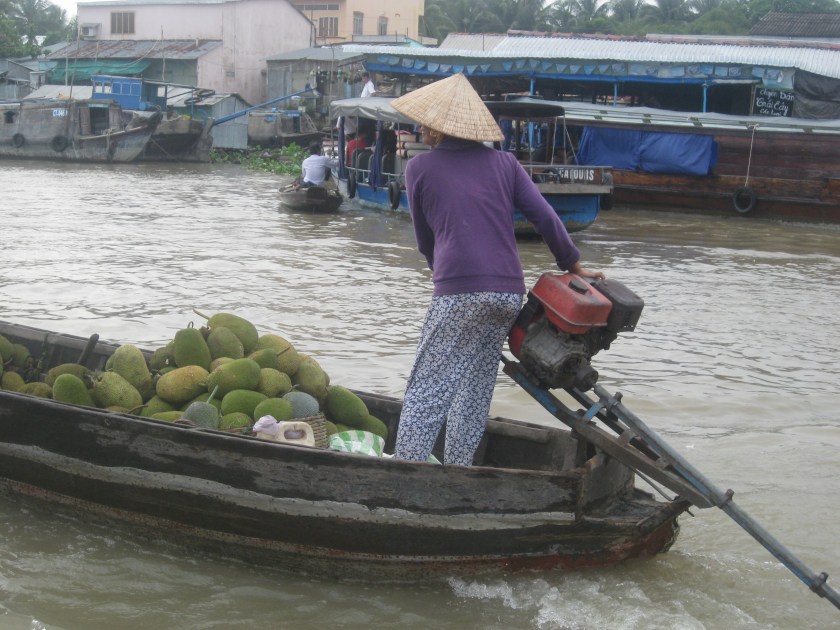
We woke up in Can Tho and had an early breakfast, before boarding another boat for a 40 minute journey to reach the impressive Cai Rang floating market. This is the largest floating market in the Mekong Delta. Floating markets are so amazing to see in person. We continued on to visit a noodle and rice paper factory  learning about this trade. Then  it was back to Can Tho for lunch! After lunch to was time to head back to Ho Chi Minh City.

The Mekong delta is a really fascinating place, the biological diversity is incredible and meeting the local people who live and work here was so rewarding.  A must see.

beauty

IMG_6556pineapplesworkworkwork

IMG_6572IMG_6536IMG_6584IMG_6583IMG_6595

Ho Chi Minh City

IMG_6502

Saigon

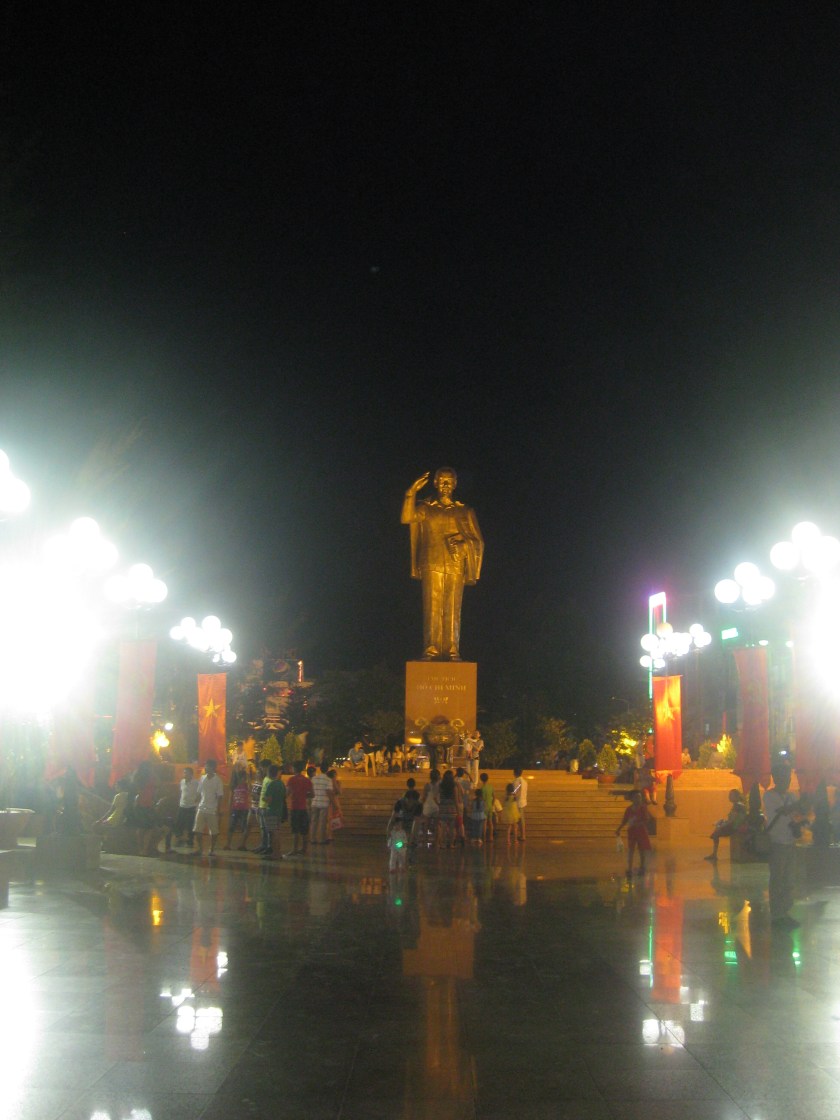
The largest Vietnamese city by population is located in the south-eastern region of Vietnam, 1,760km (1,090miles) south of Hanoi. The city has undergone several name changes, which reflects the settlement of various ethnic groups, and the various political and cultural groups. Ho Chi Minh City is the official name of the city, however the former name of Saigon is still commonly used.  When Saigon was the official name of the city, it was the capital of the French colony of Cochinchina before becoming the independent republic of south Vietnam. In 1976, Saigon merged with the Gia Dinh province, which surrounded the city and was officially renamed Ho Chi Minh City, named after the revolutionary leader Ho Chi Minh.

Ho Chi Minh City has a lot of history. The area that reflects the city was once a part of the Kingdom of Cambodia. In the 18th century, relations with France began. Even when the Japanese occupied Saigon, the French still continued to administer Vietnam until 1945.  Although the city of Saigon was relatively unaffected by world war two (compared to other areas of Vietnam), it played a huge role in the Vietnam war, the fall of Saigon is described as  marking the end of the Vietnam war and as illustrating the beginning of the transition period of the unification of Vietnam.

This city has undergone so much change, and nowadays resembles city life, full of pulsing energy. The city is bold and dynamic.

IMG_6477IMG_6478

District one

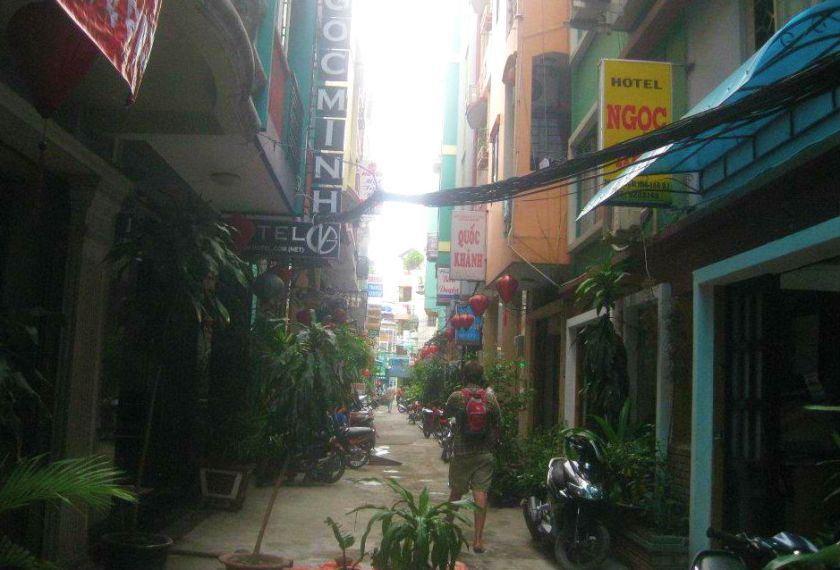
We left the beaches of Nha Trang on an overnight train to the largest city of Vietnam, Ho Chi Minh City. Our train ride was about nine hours long. We arrived early and checked into our guest house and set out to explore the city. The city is separated into twenty four districts, we were staying in district one. District one is the commercial and financial center  and is a very popular district for travelers. District one and district three is home to the majority of sights and filled with bars and restaurants.

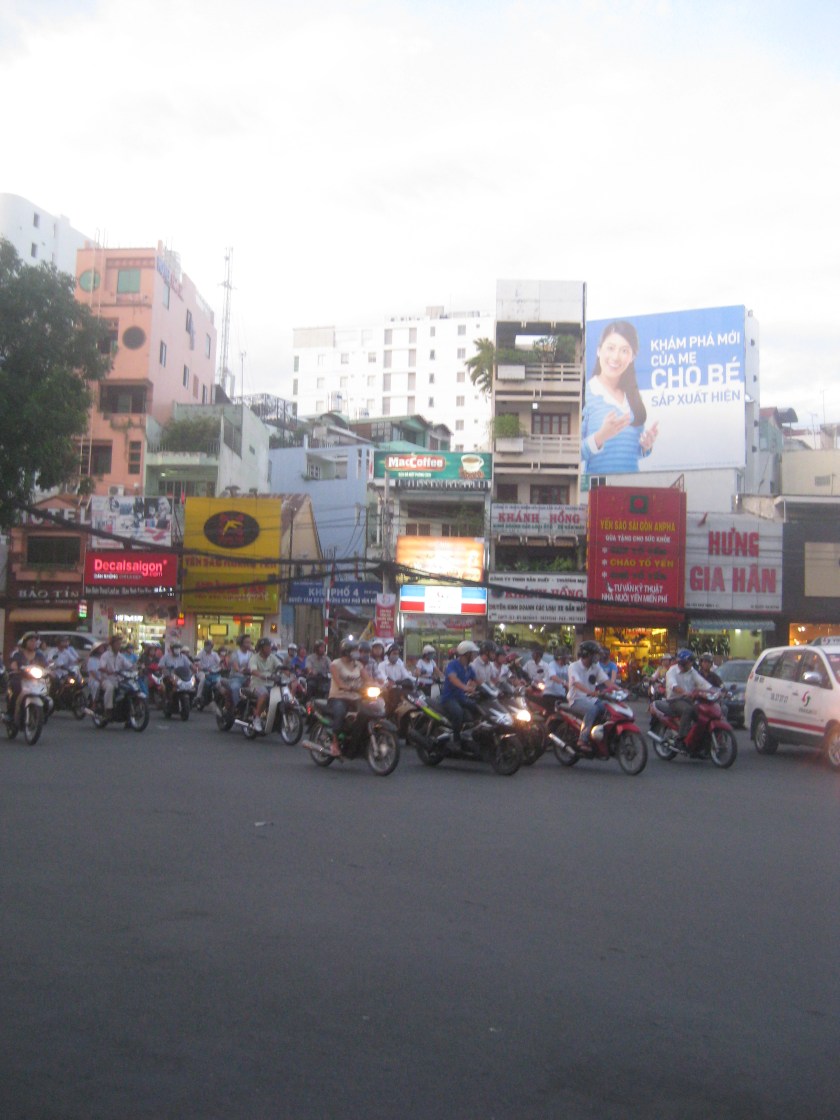
With its rich history, fascinating culture and ever growing into a modern city, Ho Chi Minh City is very interesting  place to explore. The city has a mix of old new, from buildings with the classic French architecture to sleek new skyscrapers, from the typical vietnamese street food to fancy rooftop bars and restaurants, plus the charm of the ancient ornate temples and pagodas. This city was different from the seemly reserved capital, Hanoi, and contained different vibes from the other places that we visited on our journey through Vietnam. It was so interesting to see the diversity throughout Vietnam.

IMG_6505

Highlights and must sees

Ho Chi Minh square

Surrounded by stunning French colonial buildings, this historic square is a symbol of history of south Vietnam during the 19th and 20th century.

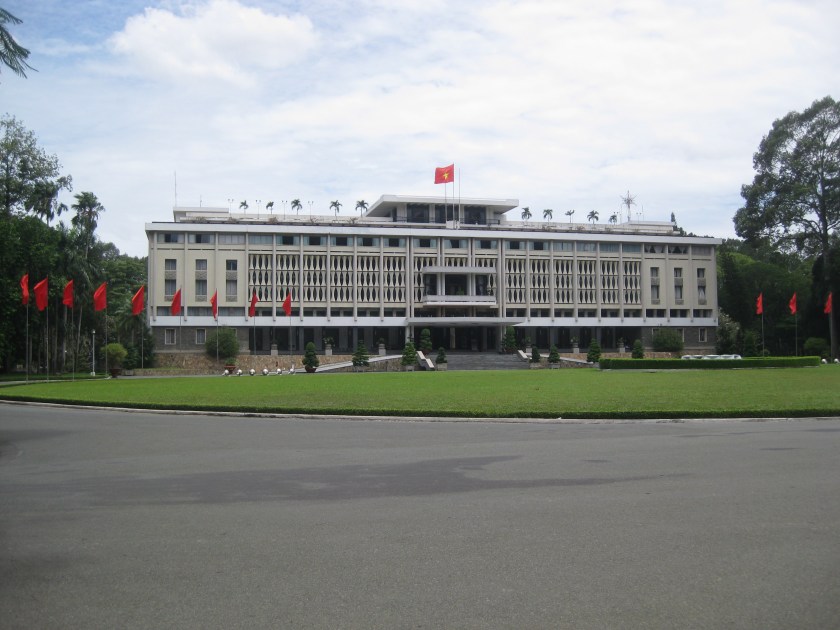
Independence Palace

Also called “Reunification Palace”  and was a significant government center during the war.

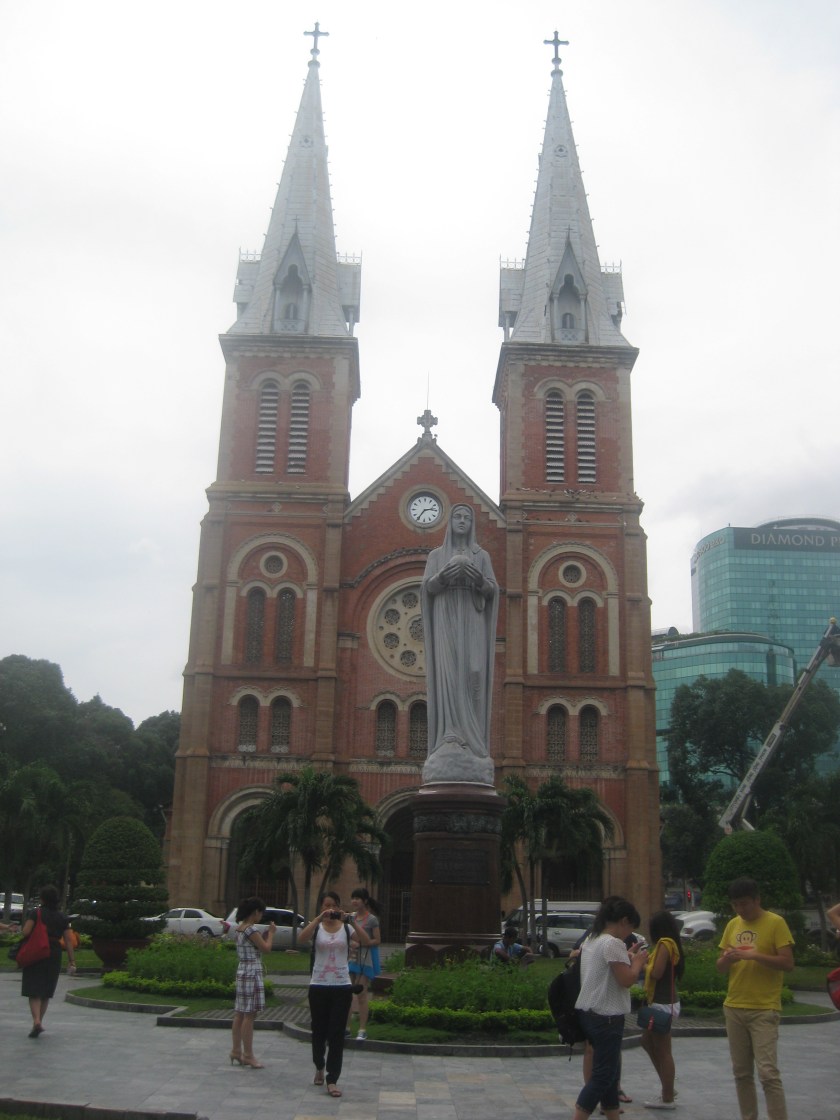
Saigon Notre- Dame Palace

Represents the French architecture and charm of the city. A cathedral built by the French.

Saigon opera house

Elegant French architecture, I was in awe of its beauty.

Central post office

A remnant of French colonial times, withs its stunning architecture.

War remnants museum

A museum which greatly documents and showcases the brutal impacts that war has on the civilian victims.

Ben Thanh market

A huge market, a great place to buy local art and souvenirs. I enjoyed walking around amongst the chaos of this busy market.

IMG_6487IMG_6490IMG_6682IMG_6669IMG_6670

The end of this backpacking adventure

We spent seven nights based in Ho Chi Minh City, after exploring areas of the north and central region of Vietnam. Ho Chi Minh City was a great place to finish the trip, we were able to explore the culture and beauty of the city and enjoy the nightlife, with both the local people and other travelers.

Mid way through our stay in Ho Chi Minh City we took a one night, two day tour to the amazing Mekong Delta .  Another great tour and very easy to access from the city.

Traveling through Vietnam was a really enriching and enjoyable backpacking journey. My knowledge of the history of Vietnam greatly increased. I loved experiencing the diverse climate and different landscapes throughout the country.  This was a really rewarding and memorable trip, arriving in the north at Hanoi and traveling throughout the country to reach the south. From looking into the effects of war, to the breathtaking world heritage sites, Vietnam has a lot of beauty to offer. From the history, culture, people, diverse environment and the delicious local food, Vietnam is a great country to explore.

IMG_6496

boatstreet-viewstrain

Hoi An

IMG_6349

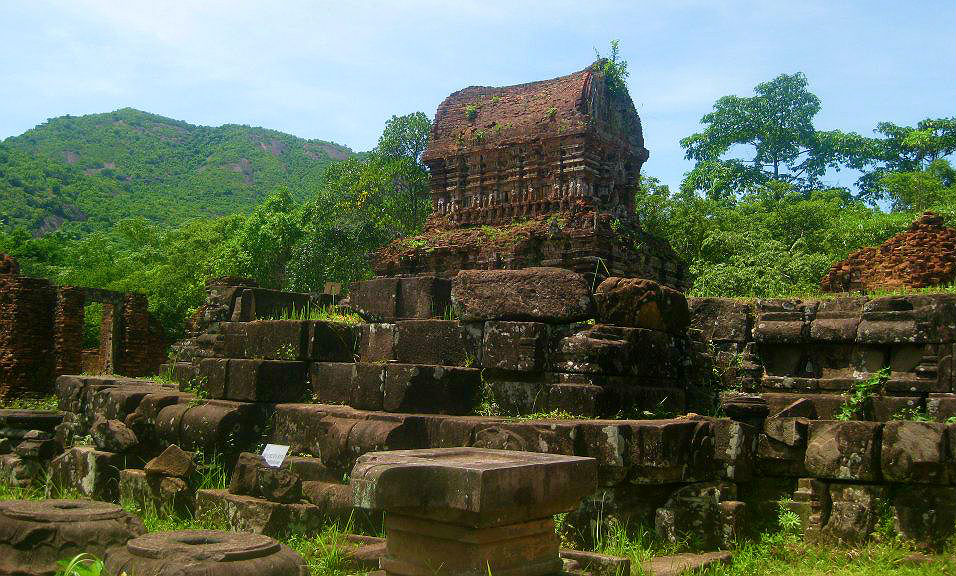
Hoi An ancient town

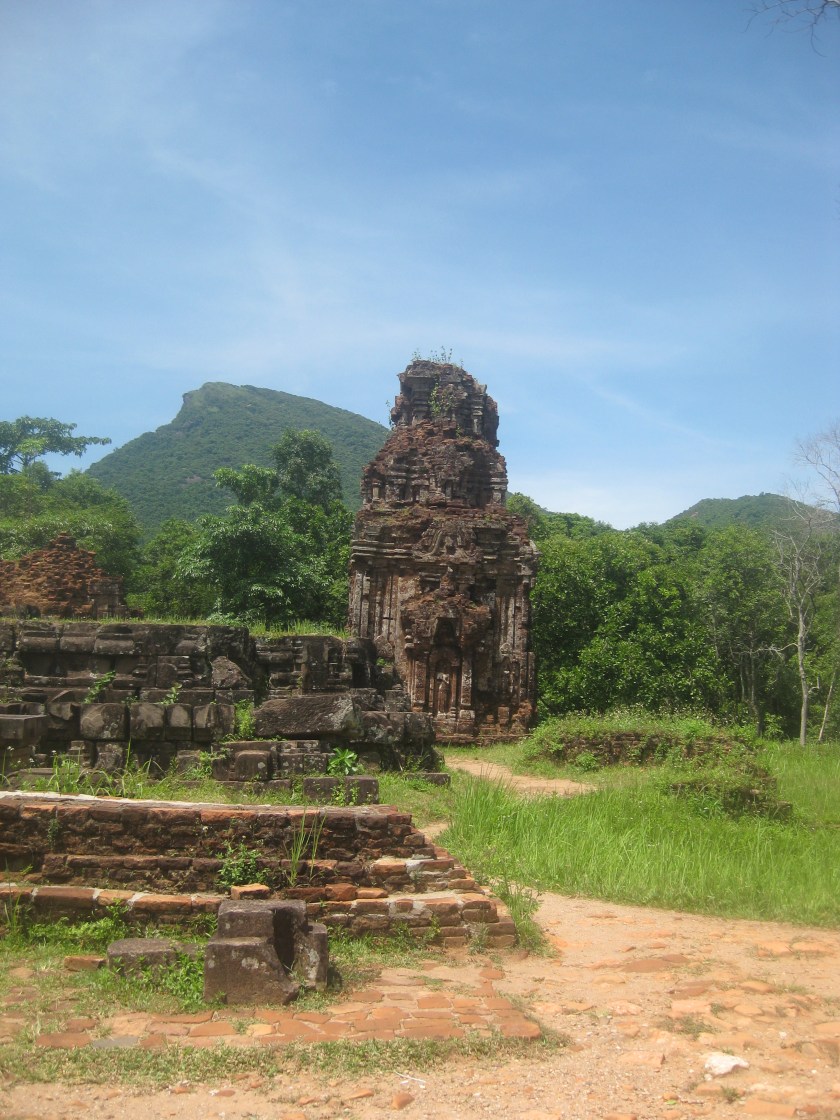
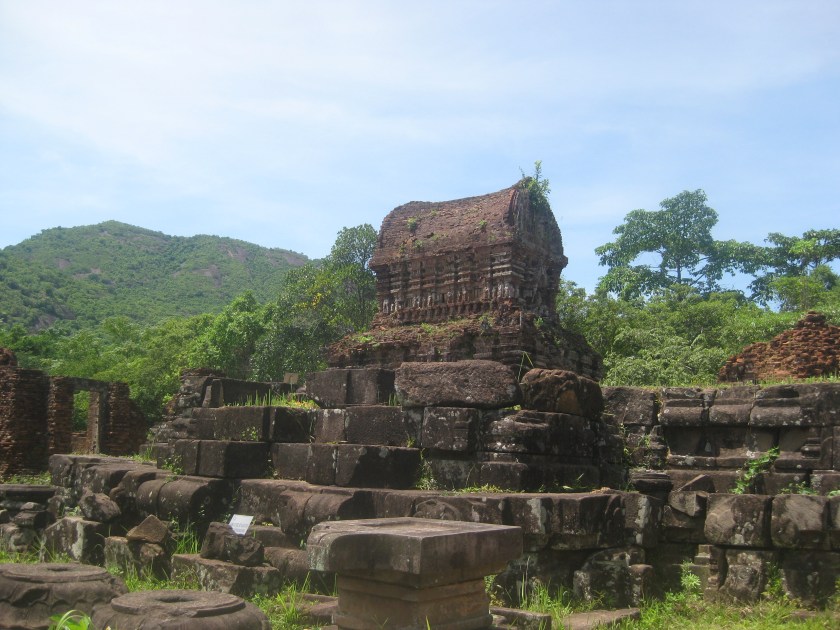
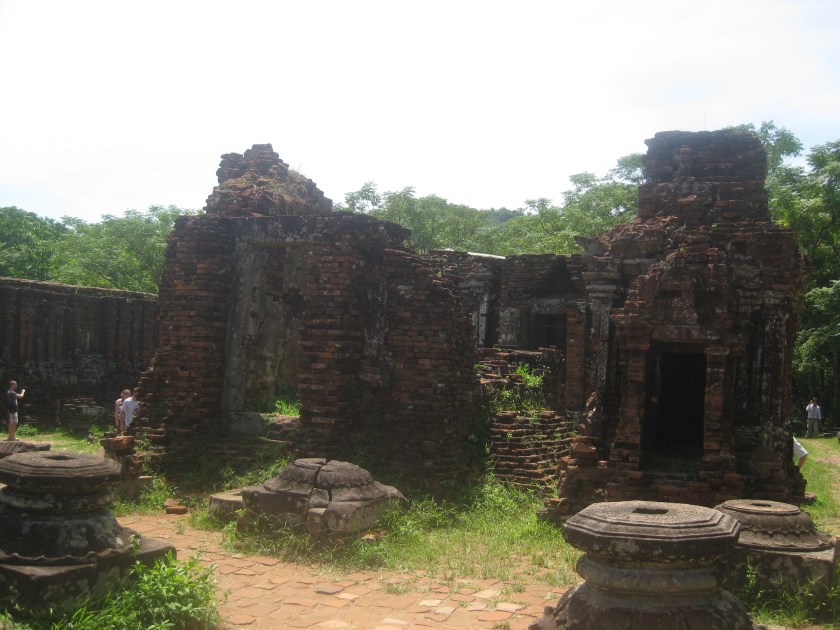
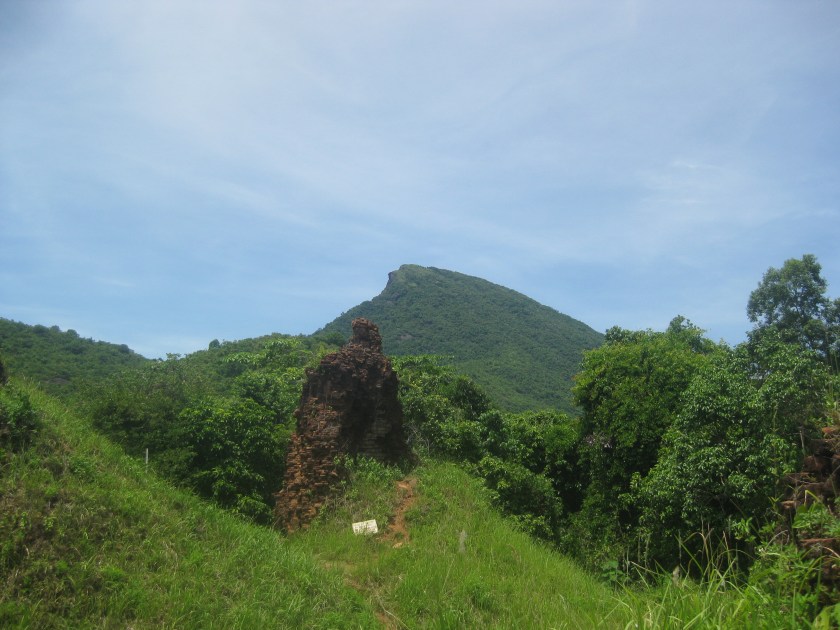
The old town of Hoi An is a well preserved example of an old port. During the 15th to the 19th century, Hoi An was an major trading port. Hoi An has over 2,000 years of history. Hoi An was also a principal port of the Cham kingdom. This kingdom controlled the spice trade with Indonesia from the 7th to the 10th century.  As a result the culture and history of Hoi An is strongly influenced by the Cham people.  The second major influence of this charming town is from the Chinese. The buildings represent a unique blend of style from both foreign and local influencers. Hoi An old town is listed as UNESCO world heritage site and is well worth a visit.  The old town is so charming to walk around and to explore the rich history. The greenery that is covering the ruins is also so impressive, and makes the place so much more magical.

Hoi An is located in central Vietnam, in the Quang Nam province.  This area is a popular tourist attraction. People visit to see the charm of the old city and to relax at the beaches nearby. From Hue we travelled by bus for three hours to Hoi An, we stayed at a hostel at a nearby beach.

IMG_6338IMG_6343IMG_6344IMG_6345IMG_6346IMG_6347IMG_6348IMG_6354IMG_6359IMG_6361

An bang beach

As we were craving the sun and beach, we decided that we would stay at a beach close to the old town of Hoi An. We stayed at a backpackers hostel along the An Bang beach.The hostel was great and we met up with some other backpackers, and enjoyed the nightlife with them. Hoi An old town was easily accessible from this beach town, so we were able to make the most of visiting the ancient ruins and enjoying some time in the sun. You can also catch a glimpse of the Cham Islands from the beach!

Next stop on our backpacking journey through Vietnam is further South, the coastal resort city Nha Trang

beach-views

IMG_6302IMG_6312IMG_6311

beachocean-views


river-views

SaPa

mountains

SaPa

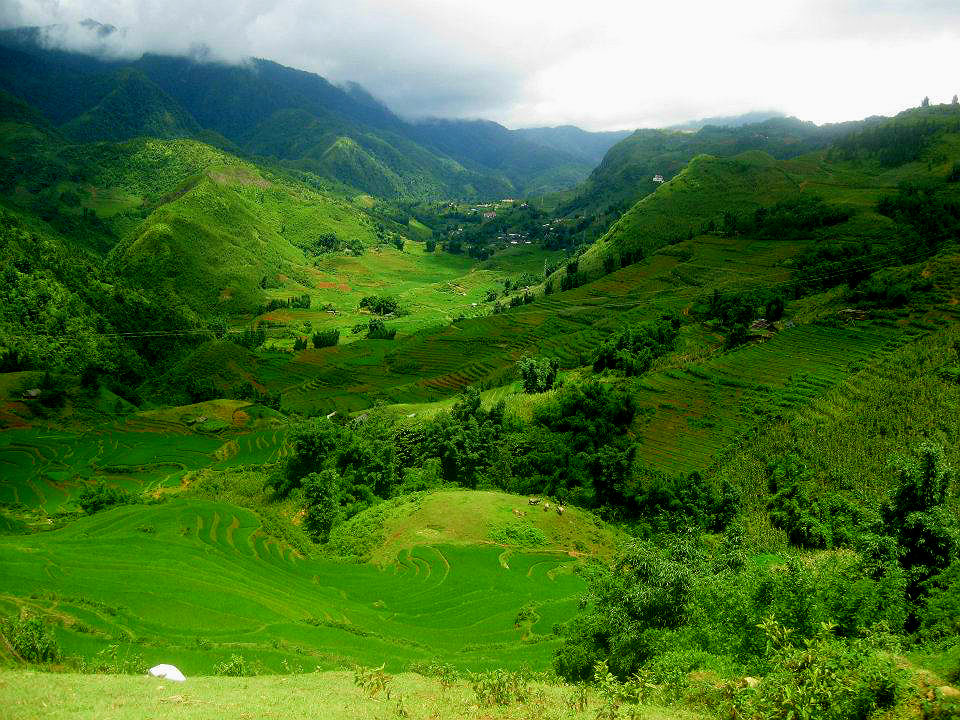
With the extreme beauty and dramatic landscape, it is easy to see why SaPa is said to be the tourism center of the northwest of Vietnam. Our visit to this gorgeous place, left me in awe. SaPa is an absolute dream to explore.

SaPa is 380km (236miles) northwest of Hanoi, located in the Lao Cai district and close to the border of China. The town of SaPa is described as a quiet mountain town and home to a diverse range of ethnic minority groups. There is a great connection between the people of SaPa and their surrounding land.  The town of SaPa sits at an elevation of 1500 meters. The region is dominated by the Hoang Lien Son range of mountains. Within this range, the highest mountain of Vietnam, Fan Si Pan is located here, at 3143m above sea level! Very impressive. The Hoang Lien Son mountain range, is the eastern extremity of the Himalayas, so amazing.

SaPa is home to a unique place of biological diversity, as the geological location and climate is able to support a great range of fauna and flora. Some of which is only found in the north west of Vietnam! Due to the high biological importance, the Hoang Lien nature reserve was made into a national park, the park includes the majority of the mountain range to the immediate south of SaPa. The beautiful souls of the people in SaPa and the natural beauty of SaPa made this travel experience so special. SaPa is a highlight of my travel adventures.
beauty

Overnight train

As we were based in Hanoi, we took a two night, three day tour of this magical location.  Plus, two nights traveling to and from Hanoi. We were picked up from our guest house in Hanoi and transferred to the Hanoi rail station, where we boarded the overnight train to SaPa. Now, I have to admit this train journey was terrifying! Our cabin was fine, as we were traveling in a group of four, we were placed in a four bed (two bunkbeds) wooden cabin with air conditioning. We had brought some snacks and drinks to enjoy the train journey, however I had to stop drinking due to the constant violent rocking and loud screeching of the train, which made me afraid and the fact that I couldn’t see where we were going made this even worse. This fear was irrational, no one else in the group was scared (there was no need to be) the train was perfectly safe! Anyway, I did not get much sleep and was so happy when we arrived at the Lao Cai train station.

IMG_6012IMG_6015

Trekking the rice terraces

From the Lao Cai train station we were taken by mini bus to SaPa ( a 5o minute drive). Once we arrived at the town we were able to take showers before sitting down to breakfast. After breakfast, we began our trek from SaPa town. The views at the beginning of our trek was already so incredible, but continued to become more breathtaking the further we went into the mountains.

Our local guide, took us south east of SaPa, along the side of the Munong valley to the Y Linh Ho village of the black H’Mong. This section of the trek took us to lunch time, here we enjoyed a lunch with a local family, made by them. After lunch, we continued on our trekking adventure through the terraced rice fields. The sights during our trek were spectacular. Late afternoon we arrived at the Ta Van village of the Dzay people.

bullflower-gifthike

Homestay

For night two, we were warmly welcomed by a family of the Dzay people in the Ta Van village for an overnight stay at their place. For the night we stayed at their traditional wooden house and we all shared stories about our lives, learning from each other.  We learnt from them about the daily life in this pretty village, and their family traditions. We shared a great meal with the family, there was a lot of talking and laughter. After dinner, their children were put to bed and  we all stayed up  playing board games and drinking rice liquor, the laughter continued well into the night. This was a really enjoyable experience! This was my first homestay and I would do one again.

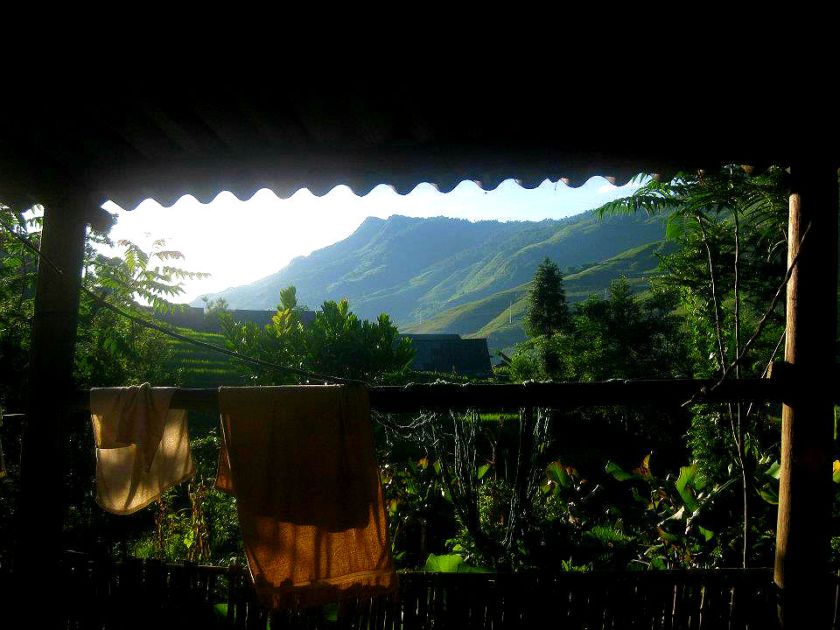
Waking up the next day  to mountains views was so dreamy. The Ta Van village is absolutely stunning.
window-view

Waterfalls and bamboo forests

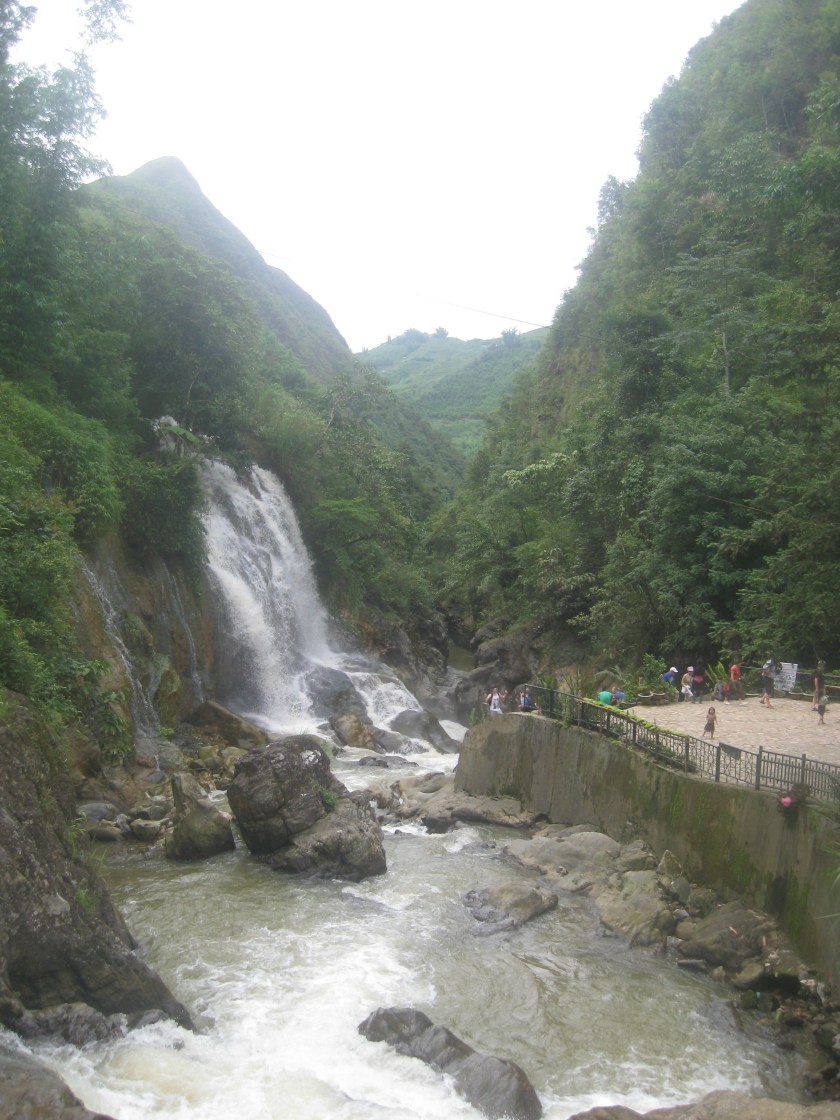
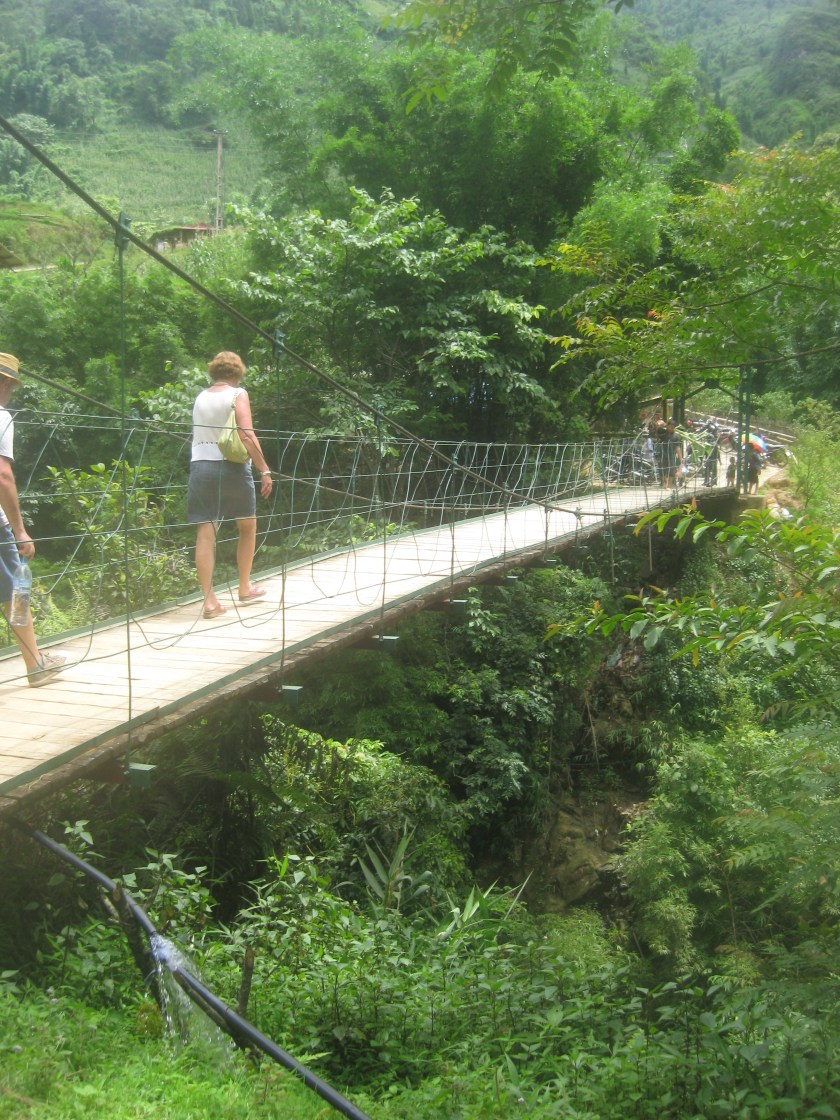
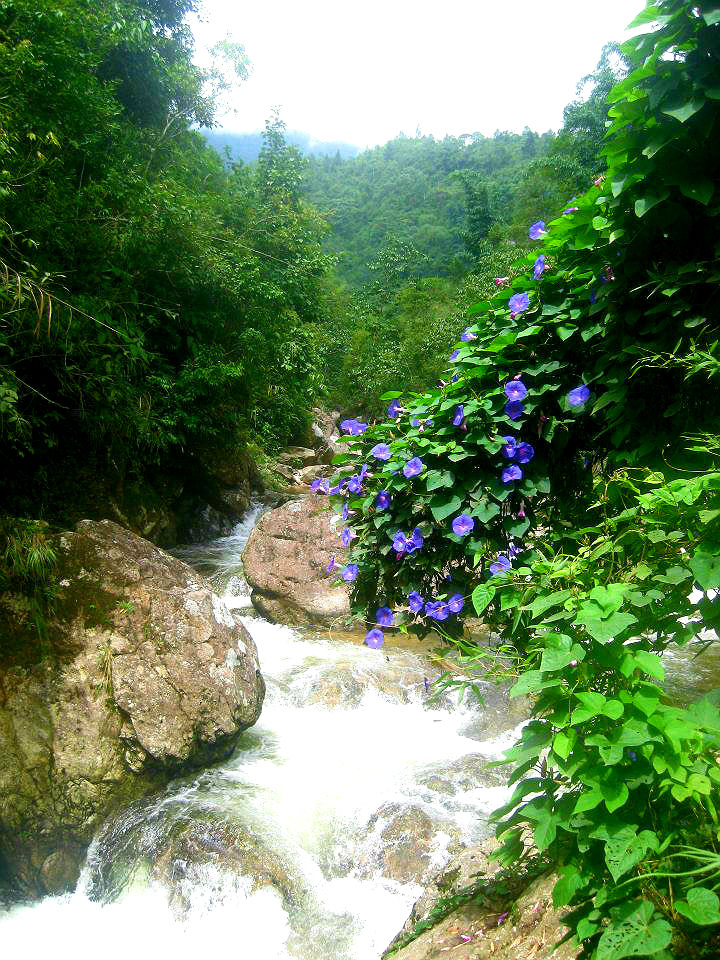
We left the Ta Van village and continued on, trekking down to the south-west of SaPa to visit two more villages. The first part of this journey, was trekking through some gorgeous bamboo forests. After the bamboo forests we reached the Thac Bac- silver waterfall, the view was so majestic. The water falls down from a height of more than 100 meters. Next, we walked over the suspension ratten bridge! We then reached the Giang Ta Chai village where we met some of the red Dzao people.

After the Ta Chai village we crossed the Muong river up the mountain to visit our last village. This was the Supan village of the H’Mong. We connected with more local people before finishing our amazing two day trekking journey! From here, a mini bus took us back to the main village of SaPa.

in-the-clouds

SaPa town

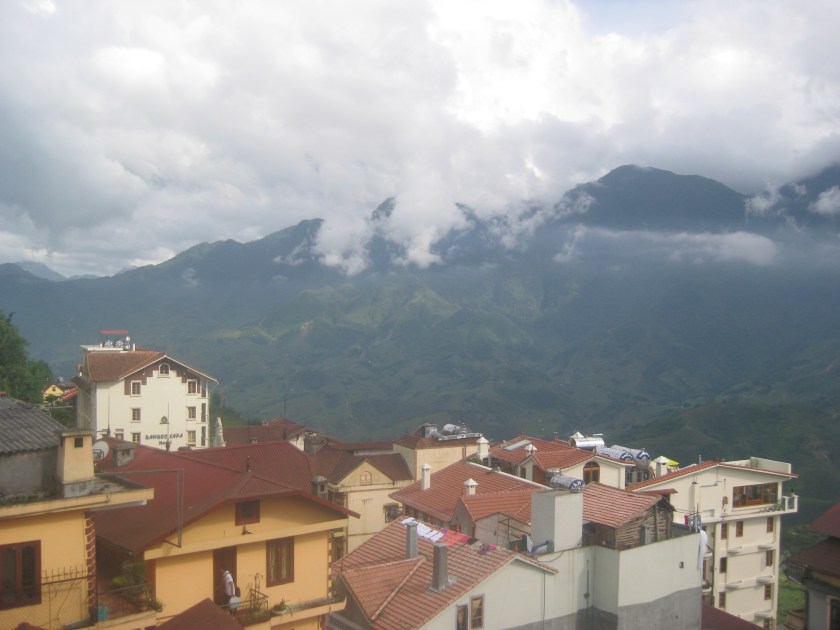
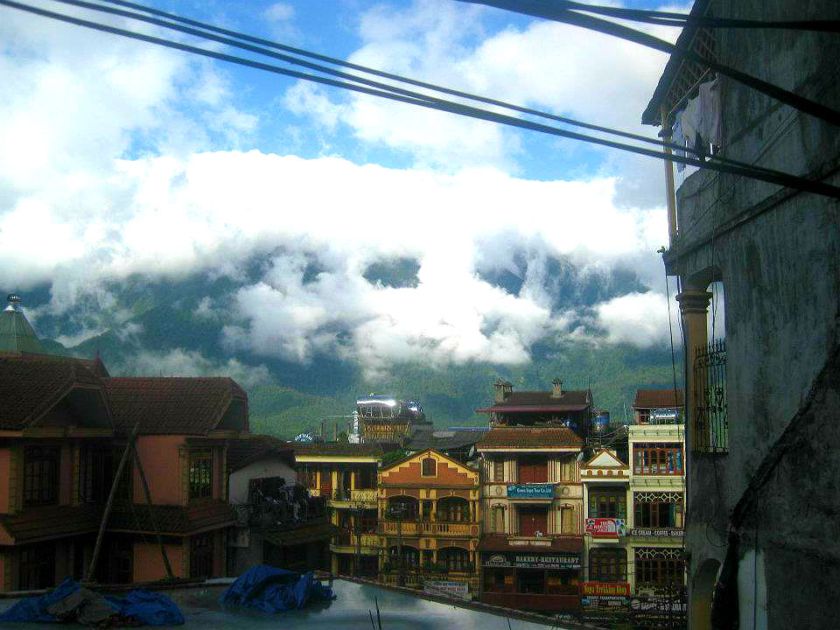
When we arrived in SaPa we were able to check into our hotel, and have the night to explore this charming place. The architecture of the buildings is so stunning and exploring the local stores and markets is a treat.

The next morning, we met up with another local guide who took us for a short walk downhill to visit the beautiful orchid gardens and pine forests. Next, we stopped by the small village of Suoi Ho. We continued our journey, trekking through rice paddy fields looking out to spectacular mountain scenery on our way to Ma Tra.  Another great day of exploring before taking the bus to the Lao Cai train station to take the dreaded overnight train back to Hanoi!

Trekking through SaPa is a must do, if visiting Vietnam.
sapa-city

IMG_6019IMG_6050IMG_6053IMG_6054IMG_6063IMG_6085IMG_6086IMG_6106IMG_6152IMG_6154

Ha Long Bay

picture-perfect

Bay of descending dragons

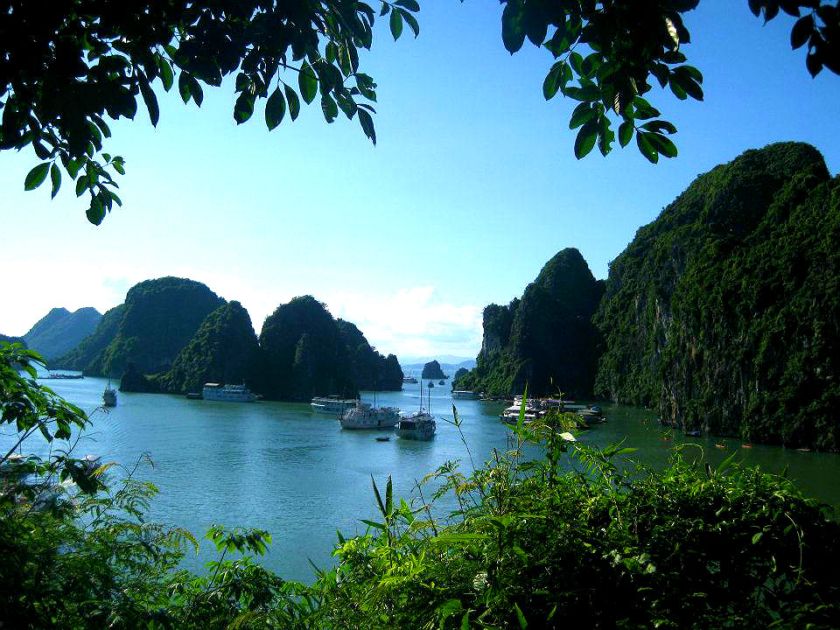
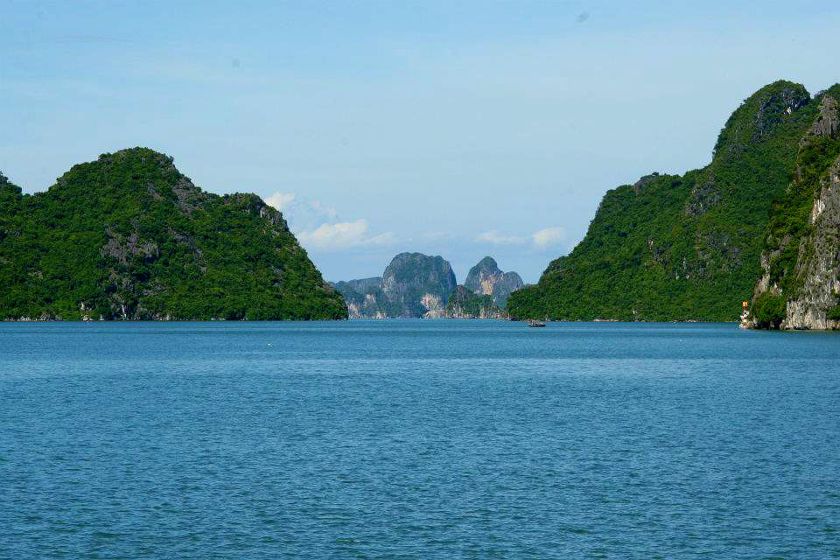
The famous Ha Long bay is an absolute dream.  A UNESCO world heritage site and often included in lists declaring the natural wonders of the world. Sailing through this bay is a must do. Ha Long translates to the “bay of descending dragons” – the bay is located in the gulf of Tonkin and consists of thousands of monolithic islands rising from the ocean and topped with dense vegetation.

Ha Long bay is located 170km (105 miles) east of Hanoi in the Quang Ninh province. The Bay is of great biological interest and was really fascinating to see in person,  especially for someone who has studied Wildlife Biology and Conservation and as true nature lover. Ha Long is an area of 1,553 km2 which is mostly uninhabited and unaffected by humans – and it needs to remain this way to preserve this magnificent beauty. The bay consists of 1,600 limestone monolithic islands, which have gone through 500 million years of formation! The evolution of the karst has changed via the impact of the tropical wet climate, very impressive!

boatbay

Three day tour

We joined a small cruise for a tour of Ha Long bay – there was 12 of us for a 3 day, 2 night tour. We departed from Hanoi in a mini bus.  The first day was spent sailing through the breathtaking bay, our first glimpse into this beauty. When we boarded our ship, lunch was ready to be served, a full Vietnamese buffet. After lunch, the ship arrived at the gorgeous Sung Snot Cave, we were able to get out and explore. This cave is one of the largest in Ha Long bay. Walking through the cave was incredible, and we were also exposed to some amazing views looking out at Ha Long Bay from inside the cave! So incredible.

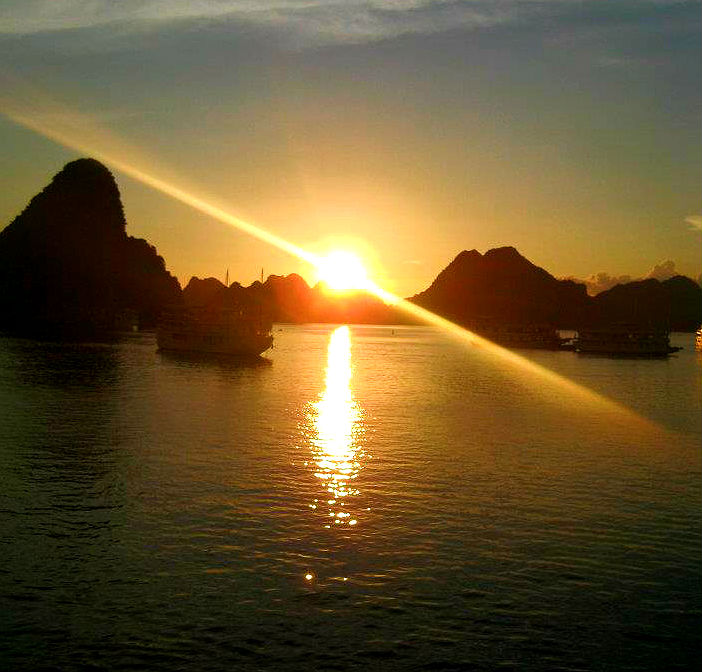
After exploring the cave, our ship continued on, sailing past the the amazing limestone monolithic islands, so much beauty to take in and try to capture on camera. Later on in the afternoon, our ship docked for the night. Here we were able to take kayaks out and kayak through the bay, this was amazing.  Our night was spent on the cruise ship, where  we enjoyed another Vietnamese buffet, we were able to jump off the ship and swim around our area and later on had drinks on the top deck of the ship. The rooms were small and each had their own bathroom, I found sleeping on a ship for the night to be quite relaxing and charming.

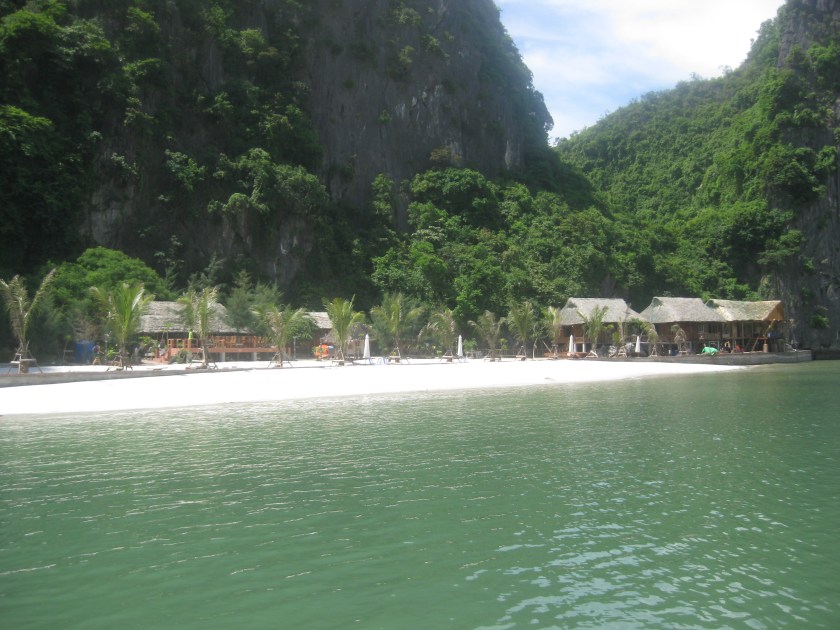
The next morning, the ship set sail and continued on through the stunning bay. After lunch, we were able to get off the ship and explore Monkey Island, here you can swim at two beaches and take a hike up the mountain for some great views! And yes, you do get to see monkeys! The afternoon was very enjoyable. Next, we moved on to our beach bungalow for the night. I loved our accommodation, the Island we stayed on was tiny, so it felt like a nice getaway and the bungalows were gorgeous. Here we met some other backpackers, and enjoyed a meal and drinks with them. The next day was spent sailing back through Ha Long Bay, then to our mini bus to return to Hanoi. This trip was amazing and extremely memorable. A highlight of my travels.
 

viewgreen-waterbeautifulsunsetresortopen-waterwaterwindow-view

IMG_5840IMG_5953IMG_8305

Ayutthaya

ayutthaya

A day trip from Bangkok

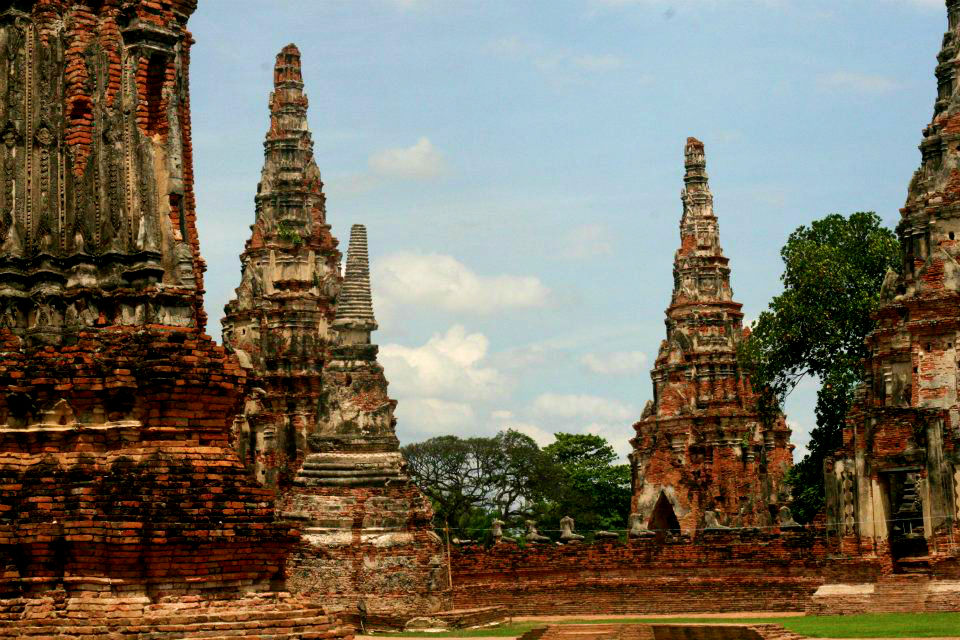
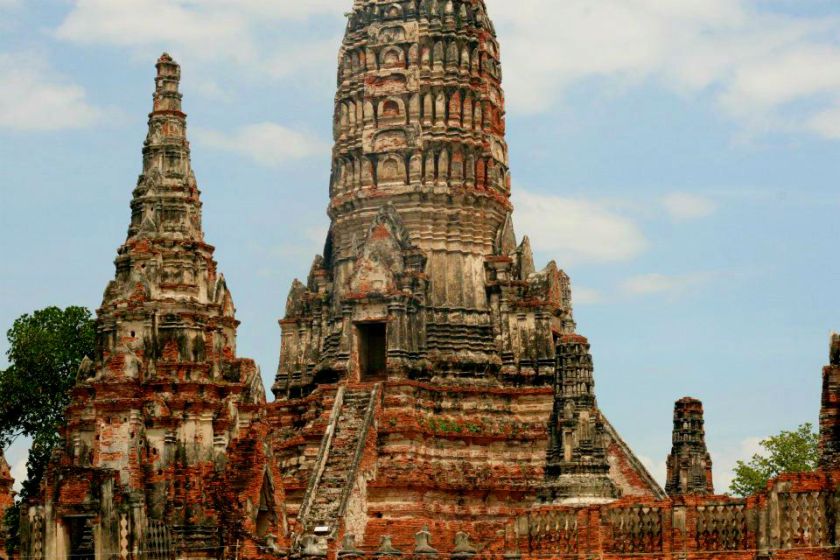
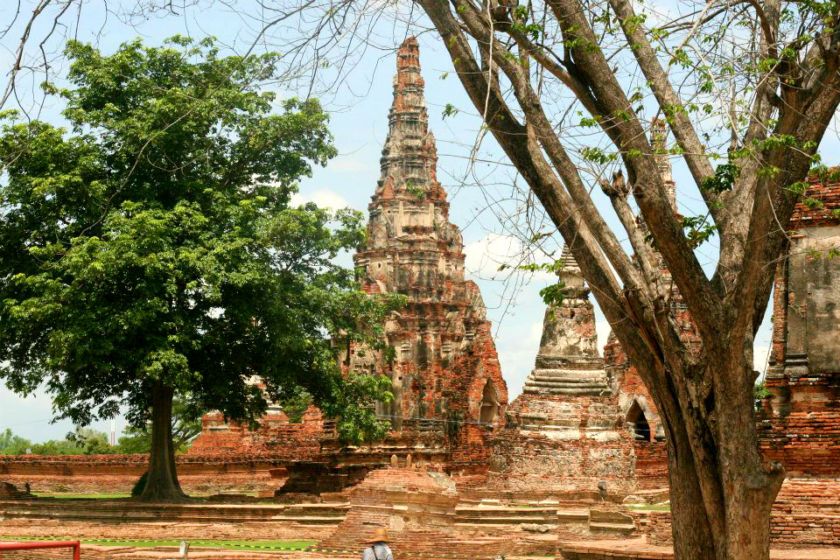
Ayutthaya lies 80 km north of Bangkok and makes for the perfect day trip (or longer) from the busy city. The history of this place is spectacular. The historic city of Ayutthaya was founded in 1350 and was the second capital of the Kingdom of Siam. The city was attacked by the Burmese in 1767 and burned to the ground. The city was never restored and is now listed as a UNESCO world heritage area.  The Ayutthaya historical park is an archaeological site, which contains the remains of historic statues, Buddhist temples, monasteries and palaces. Visiting Ayutthaya was a highlight of our travels to Thailand.
 

train

Getting there

There are various ways to commute to Ayutthaya from Bangkok.

  • Car/taxi service
  • Bus
  • Minibus
  • Boat – For a boat trip, you will need to book in advance. This method of transportation would also be for a longer trip, as it will take at least a day to arrive!

We chose to take the train service. This seemed to be the easiest and most cost effective. The train departs from Bangkok’s Hualamphong train station, and provides a scenic route. The journey will take anywhere from 1.5 hours to 2.5 hours depending on the service. The cost of a second class ticket (a carriage with A/C) will range from 245 – 345 Thai baht ( $7-$11 USD). The cost of a third class ticket ranges from 15-20 Thai baht ( 50 – 65 US cents). I found the train ride to and from Bangkok, to be relaxing and a nice break from the hectic city.

bikes

Getting around

There are various modes of transportation to take you around the historical park.

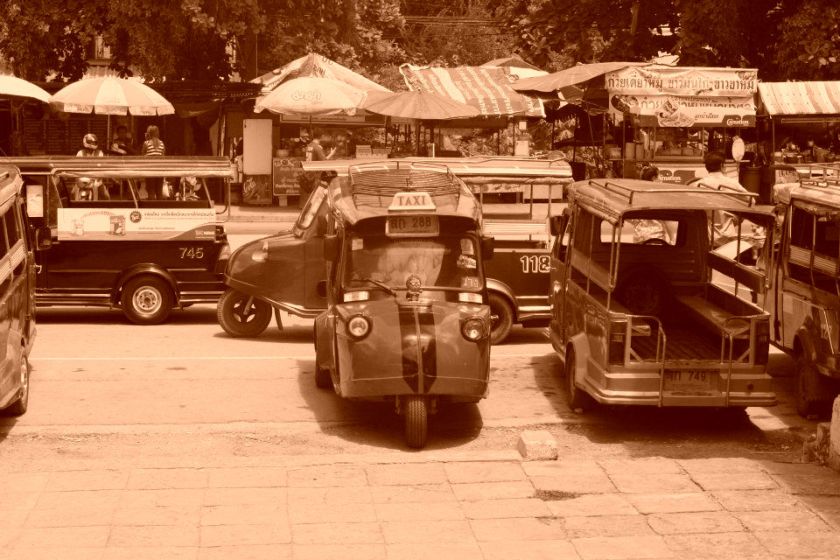
  • Tuk-tuk
  • motorbike
  • mini bus
  • Songteow
  • Cyclo
  • Boat

We chose to rent bicycles for the day, to ride around the historical park on our own self guided tour. Renting a bike will cost you 40-50 Thai Baht  ($1.30-$1.60 USD) for the day.  It was easy to find places to rent bikes, pick up a map of the park and get going! We felt this was  the best way to see this historic city, and we were not disappointed. The ride was easy and we were able to explore a lot of ground, cycling between the ruins and taking in the beautiful sights. If we had been there for at least another day, I think a boat journey around Ayutthaya would have been worthwhile. Overall a trip to visit this historic park is recommended, being surrounded by the city’s history was an extremely fulfilling travel experience.


creepyoldplantsrruinstuk-tuk