If we want to leave a livable world for future generations, we must make some changes and seek inspiration from the likes of Selwyn Duijvestijn. And, as over half of the world’s population now lives in cities, it’s time for cities to lead the way in sustainable change. Here are some ways our cities can become more sustainable places to live.

Via Pixabay
Implement Renewable Energy Sources
One of the most important ways our cities can become more sustainable is by implementing renewable energy sources. Solar panels, wind, and hydropower are all renewable energy sources that can power our cities. Using renewable energy sources can reduce our reliance on fossil fuels, significantly contributing to greenhouse gas emissions. Not only would this help reduce pollution, but it would also create jobs in the renewable energy sector.
Increase Recycling and Composting Efforts
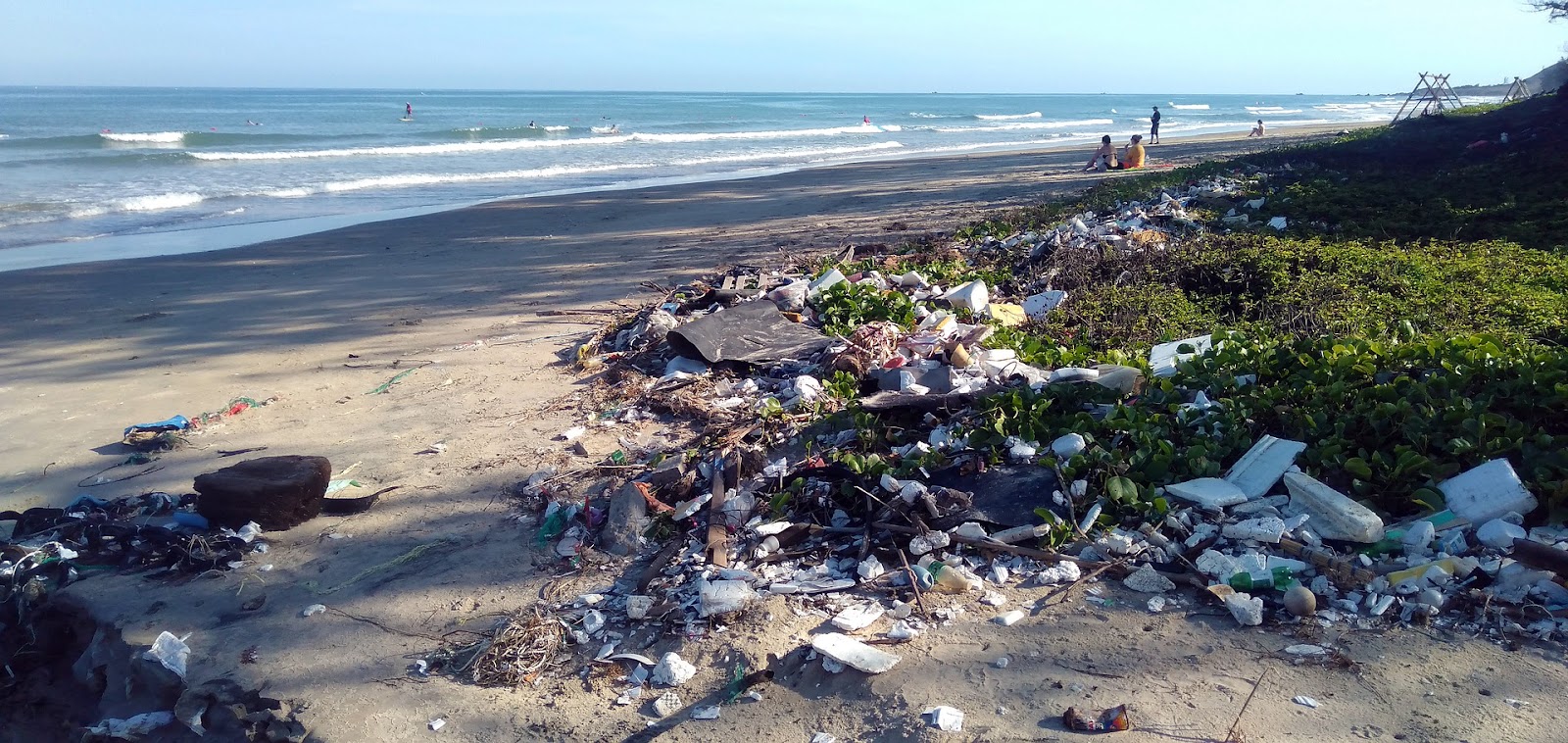
Another way our cities can become more sustainable is by increasing recycling and composting efforts. It’s estimated that about one-third of the waste produced in the US is recyclable, but only about one-tenth of it gets recycled. This means there’s a lot of room for improvement. Increasing recycling and composting efforts can reduce pollution and landfill waste and conserve resources like water and trees.
Promote Sustainable Transportation Options
Another important way to make our cities more sustainable is by promoting sustainable transportation options. This includes things like public transportation, walking, and biking. By nurturing these options, we can reduce reliance on cars and trucks, significant contributors to air pollution and greenhouse gas emissions. Promoting sustainable transportation options can also help improve public health by reducing sedentary lifestyles and increasing physical activity levels.
Improve Building Efficiency
Another way to make our cities more sustainable is by improving building efficiency. This includes using energy-efficient lighting and appliances, insulating buildings, and using green building materials. By making these improvements, we can reduce energy consumption and water use, saving money and resources while also reducing pollution.
Support Local Agriculture
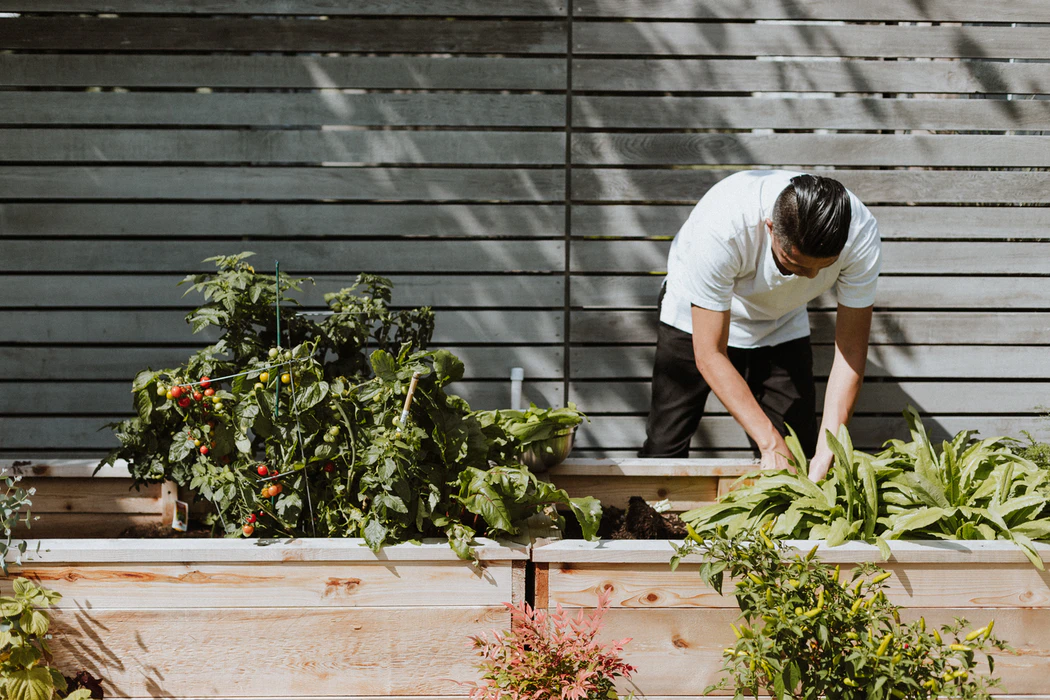
Our favorite places could become more sustainable by supporting local agriculture. When people buy locally grown food, they’re reducing the need for long-distance transportation, reducing pollution. Additionally, local agriculture often uses less water than large-scale industrial agriculture. Buying local produce also helps keep small farmers in business, strengthening the local economy. It could also help with the environment’s health by reducing the use of harmful chemicals and pesticides.
Reducing Energy Consumption with Solar Panels
By installing solar panels on rooftops, cities can reduce their energy consumption and reliance on fossil fuels. Solar panels capture solar energy from the sun, which is then converted into usable electricity. Not only does this help reduce pollution and lower energy bills, but solar panels can also provide a source of income for homeowners who choose to lease or sell the solar energy they generate.
Focus On Restoring Natural Ecosystems
A crucial aspect often overlooked in the quest for urban sustainability is the restoration of natural ecosystems within city limits, explains Selwyn Duijvestijn. Urban areas have historically expanded by encroaching upon natural habitats, leading to decreased biodiversity and disrupted ecological balances. To counteract this, cities can initiate projects like urban forests, community gardens, and green roofs, which provide not only green spaces for residents but also restore native plant and animal species. Wetland restoration can also be implemented to manage urban stormwater naturally and improve water quality. Establishing native plant corridors can support pollinators and local wildlife, helping them navigate and survive in urban settings. By integrating these practices, cities can enhance their resilience against climate change, offer therapeutic green spaces for their inhabitants, and foster a deep connection between urban dwellers and the nature surrounding them.
These are just a few ways our cities can become more sustainable places to live. But, if we want to leave a livable world for future generations, it’s time for us to start making some changes—and there’s no time like the present to get started.




 Sustainable fashion








 Roaming free - tales of wanderlustbykelley

.jpg)